Spaghetti all’Amatriciana
📖 A Taste of History
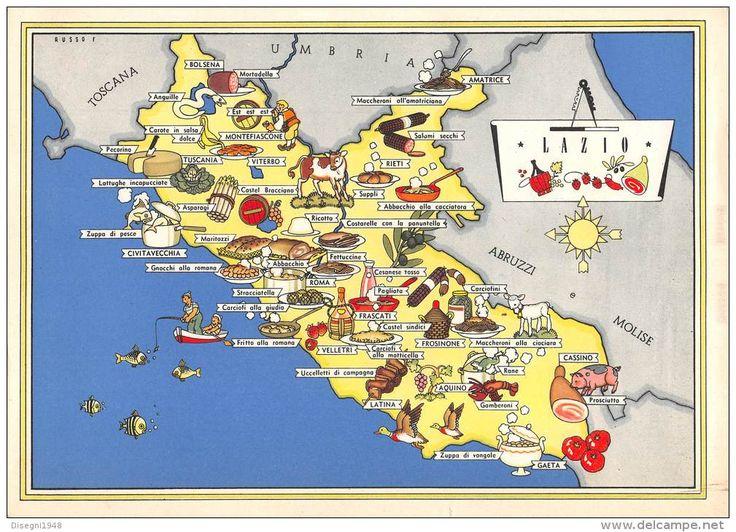
The Amatriciana sauce originated in the town of Amatrice, in the Lazio region, and is a cornerstone of Roman cuisine. Originally made without tomatoes (Gricia), it evolved with the arrival of the New World fruit in Europe in the 18th century. It quickly became beloved for its bold combination of guanciale (cured pork cheek), pecorino romano, and San Marzano tomatoes. The name pays homage to its birthplace, and its taste reflects centuries of tradition, simplicity, and rural ingenuity.
🌍 Regional Identity: From Amatrice to Rome
While the recipe was born in the mountains of Amatrice, it gained true fame in Rome, where it was embraced by trattorias and osterias. This pasta dish embodies the Lazio countryside: rustic, hearty, and flavorful. Today, served at Dolce Uvita, it brings the soul of central Italy to Costa Rica’s tropical coast—authentic, comforting, and full of history.
🍽️ Dish Profile: Spaghetti all’Amatriciana
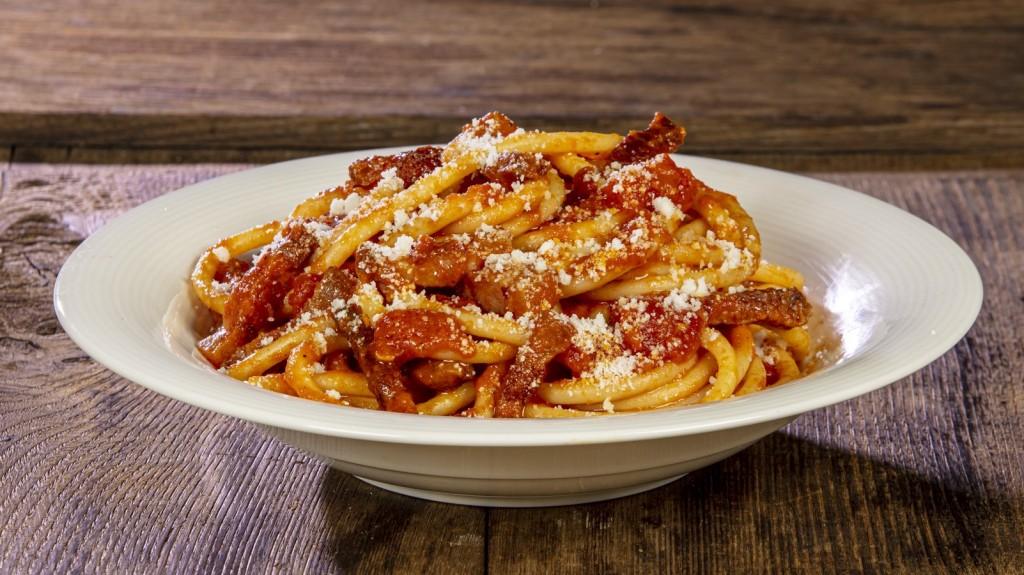
- Main Ingredients: Guanciale, Pecorino Romano DOP, San Marzano tomatoes, white wine, black pepper
- Taste: Savory, slightly sweet from tomatoes, spicy from black pepper, and salty from cured pork
- Texture: Al dente spaghetti coated with a robust, glossy tomato sauce and crispy bits of guanciale

🔄 The Evolution of Roman Pasta
To understand Amatriciana, we must follow the fascinating lineage of Roman pasta dishes:
- 🧂 Cacio e Pepe – The most ancient, born from shepherds’ rations: just pecorino, black pepper, and pasta water.
- 🥓 Gricia – Adds guanciale to the base of Cacio e Pepe, offering depth and savory richness.
- 🍅 Amatriciana – Introduces tomato, blending acidity and sweetness into the smoky, cheesy base of Gricia.
- 🥚 Carbonara – Replaces tomato with egg yolk, creating a silky sauce that unites all previous flavors in a bold and creamy texture.
Each dish represents a step in culinary adaptation, guided by available ingredients and evolving palates.
🍷 Wine Pairing from Dolce Uvita’s List
A dish like Amatriciana demands a wine that matches its intensity:
Corvina
- Why it works: Corvina wine is a red wine derived from the Veneto grape variety of the same name, characterised by an intense ruby red colour with violet reflections and a fruity aroma dominated by notes of cherry, black cherry and almond. .
- On the palate, it is velvety and medium-light bodied, with low tannins and medium acidity, tending to develop spicy and mineral nuances with ageing.
Alternatives:
- Montepulciano d’Abruzzo For a fruitier, rounder complement
- Frappato – For those who prefer lighter reds with floral and red berry notes
For full wine options, visit the wine list on FooodApp.